
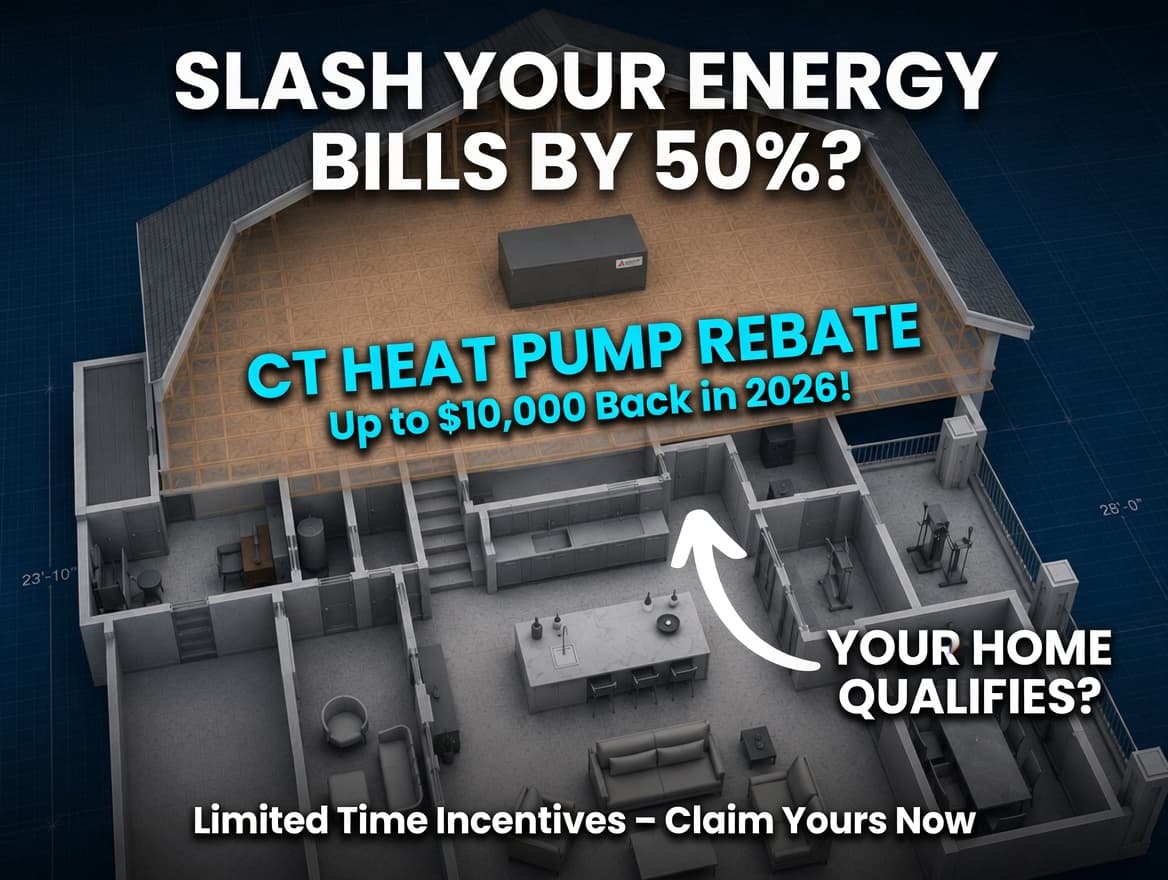
Connecticut Heat Pump Rebate 2026
Check your 2026 CT rebate for heat pump installation before you sign.
See which incentive path your home may qualify for before you choose equipment, schedule installation, or sign a contract.
Start with eligibility
The right rebate depends on how your home is heated today.
Connecticut heat pump incentives can be generous, but the payout is not automatic. Your current heating fuel, utility territory, equipment match, contractor status, and paperwork timing all matter.
The safest move is simple: check your likely rebate path first, then design the project around the rules before installation starts.
2026 incentive snapshot
What your Connecticut heat pump rebate may look like
The path many homeowners check first when replacing oil, propane, natural gas, or electric resistance heat with qualifying heat pump equipment.
Often used when replacing an existing heat pump, adding comfort to new space, or installing equipment that does not fit the larger replacement path.
The current Smart-E heat pump special offer is tied to rebate approval and must be verified before installation.
Before installation
A strong rebate application starts before the install date.
- Your home is served by Eversource or United Illuminating electric territory.
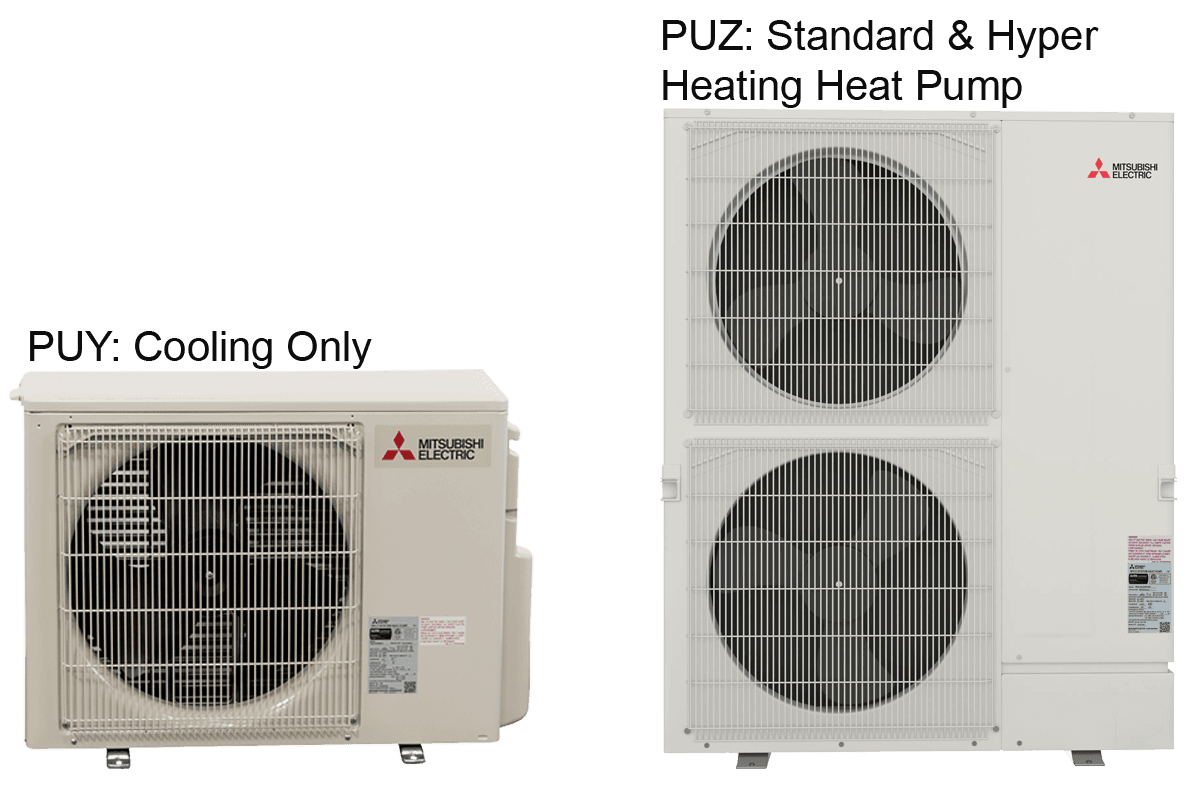
- The heat pump equipment is listed on the Energize CT qualified product path.
- Installation is handled by a contractor in the Heat Pump Installer Network.
- Your current heating setup and integrated controls match the rebate path you are claiming.
- Your invoice includes the model, AHRI, tonnage, and scope details needed for submission.
Do not wait until after installation
Check your rebate path now, then install with the paperwork lined up.
Incentive windows, financing offers, and verification rules can change. A quick eligibility check helps you avoid the costly mistake of installing first and trying to qualify later.
Savings expectations
Plan with real numbers, not guesses.
Up to $10,000 is a qualifying-path maximum
Larger incentives generally depend on the replacement scenario, equipment capacity, program path, and documentation submitted with the project.
Federal tax credits changed after 2025
IRS guidance ties the Energy Efficient Home Improvement Credit to eligible improvements made through December 31, 2025, so 2026 projects should verify tax treatment before assuming a credit.
Bill savings vary by home
Savings depend on fuel, electric rate, home envelope, system sizing, controls, and how the homeowner uses the system.
FAQ
Connecticut heat pump rebate questions
Can Connecticut homeowners still get a CT rebate for a heat pump in 2026?
Yes. Energize CT publishes 2026 residential heat pump incentive paths, including Energy Optimization and standard air-source rebates. Eligibility depends on utility territory, equipment, contractor, current heating fuel, and installation details.
Is the 2026 rebate really up to $10,000?
Current Energize CT pages list installations occurring on or after September 1, 2026 as eligible for starting incentives of $1,500 per ton, up to $10,000 combined incentives for qualifying Energy Optimization projects. Final eligibility still depends on the installed scope and program review.
Can I qualify if I have existing ductwork?
Potentially yes. Ducted, ductless, and air-to-water systems can be relevant, but the equipment and design have to match the published program requirements.
What should I do before getting installation quotes?
Check your likely rebate path first, then make sure the contractor, equipment, integrated controls, and invoice details line up with the program requirements before work begins.
Official references